Your EHR remembers.
EtoAI acts.
EtoAI answers the phone, drafts the note, catches the coding, and queues the follow-up — one AI-native clinical operations platform on a single shared patient vault.
HIPAA compliant · Signed BAA with Google Cloud
The whole practice, on one screen.
Today’s schedule, the patients who need attention, and what EtoAI already handled — one shared vault underneath all of it.
The work your practice does by hand, done.
Answers the phone
EtoAI Voice picks up inbound calls, qualifies the caller, and books straight into the schedule — name, insurance, and reason for visit filed to the vault mid-call.
Writes the note and the codes
An ambient recording becomes a structured, signable SOAP note, then CPT and ICD-10 suggestions leveled with full 2021 AMA E/M guideline logic.
Does the follow-up work on its own
Sign a note and Gemini re-reads it: recalls, reminders, and specimen tracking queue themselves — labeled so you always know what EtoAI did versus what needs you.
Paperwork done before they sit down.
Patients complete registration, insurance, consent, and history on their own phone from a QR code or a texted link. Everything lands straight in the vault — no clipboard, no re-typing at the front desk.
The day, and what it needs from you.
Every appointment, its status, and the work attached to it in one view — with the follow-ups EtoAI queued sitting alongside the visits your staff booked.
One record every module reads from.
Allergies, medications, history, insurance, and every signed note, briefing, and image saved to the chart — the single source the scribe, the coder, and the copilot all work against.
Walk in already knowing the chart.
Before the visit, EtoAI reads the whole record and writes the summary a clinician actually needs: active conditions, medications, allergies, recent vitals, and what to follow up on this time.
Record the visit. Sign the note.
Scribe transcribes ambiently with Google Cloud Speech-to-Text under your BAA — not the browser's consumer speech API. Its clinical engine then repairs the terms generic transcription gets wrong and structures the result into a note you can actually sign.
Coding from the signed note — not keyword matching.
Coding reads the note you just signed and suggests CPT and ICD-10 codes using the full 2021 AMA E/M guideline: problem, data, and risk leveling with modifier logic, traceable back to the documentation that produced them.
Ask anything. Clinical mode grounds it in your vault.
Copilot answers from this clinic's actual records — patient vault, visit notes, and imaging studies, each toggleable as a source. Flip to General mode and it never includes PHI, even if a patient is named. It drafts the paperwork too: referral letters, prior-auth requests, after-visit instructions.
Signed a note? The follow-up queues itself.
After you sign, Gemini re-reads the note and queues the work it implies — recalls, reminders, specimen tracking when applicable — into one task feed that is explicit about what EtoAI did and what still needs a human.
Read any study in seconds.
Upload a radiograph, MRI, CT, ultrasound, or clinical photo and EtoAI returns structured observations — image type, findings by anatomy, and the areas worth a second look — saved straight to the patient's chart.
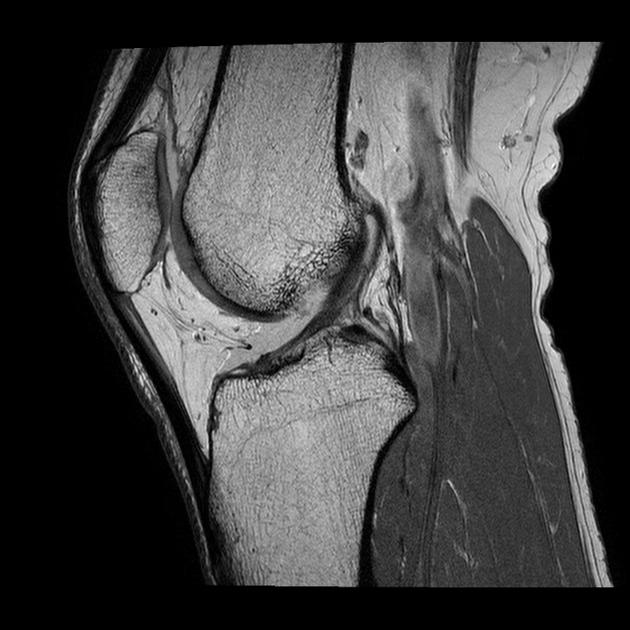
It reads the chart you already keep.
EtoAI connects over SMART on FHIR and pulls patients, conditions, medications, and allergies into the vault — so it complements the EHR you run on rather than replacing it.
Registered developer app, verified against athenahealth's live authorization server.
SMART on FHIR connector verified against Oracle Health's authorization server.
Healthcare-grade by default.
No hedging. This is the infrastructure the platform runs on today.
Your EHR remembers. EtoAI acts.
14-day free trial. No credit card. Same-day setup.
HIPAA compliant · Signed BAA with Google Cloud